
Our Work
We create spaces that focus on cultivating and nurturing the changemaker/organizer above the impact that they will make in their neighborhood. Our spaces spark remembrance, re-imagination, and response within youth to first examine their relationship to themselves, then the people closest to them, and finally, their neighborhood.
Community Organizing
Bi-annual Community-based Projects: At the end of the Forgotten Foods fellowship and FFAY Internship, the Forgotten Foods team leverages youth participatory action research to identify a 1-2 year long community organizing problem that addresses the root cause issues of food access in Staten Island. Former fellows and interns, who are trained in community organizing skills, are onboarded as project coordinators and managers and added into the organization’s base. Together, youth and young adults wage campaigns to transform Staten Island’s food systems, neighborhood spaces, and culture.
In 2024, youth-centered their campaign efforts on making Stapleton’s green and open spaces more accessible and welcoming to its residents. The group is currently working on launching a campaign to repair Hill Street Garden, a local garden located on the North Shore. The Forgotten Foods team is collaborating with Hill Street to repair the garden’s internal structures, policies, and physical layout to make it more accessible, inclusive, and welcoming to the surrounding community. They plan to extend this campaign to include advocating for the redesign of Tappen Park based on community feedback and participation.
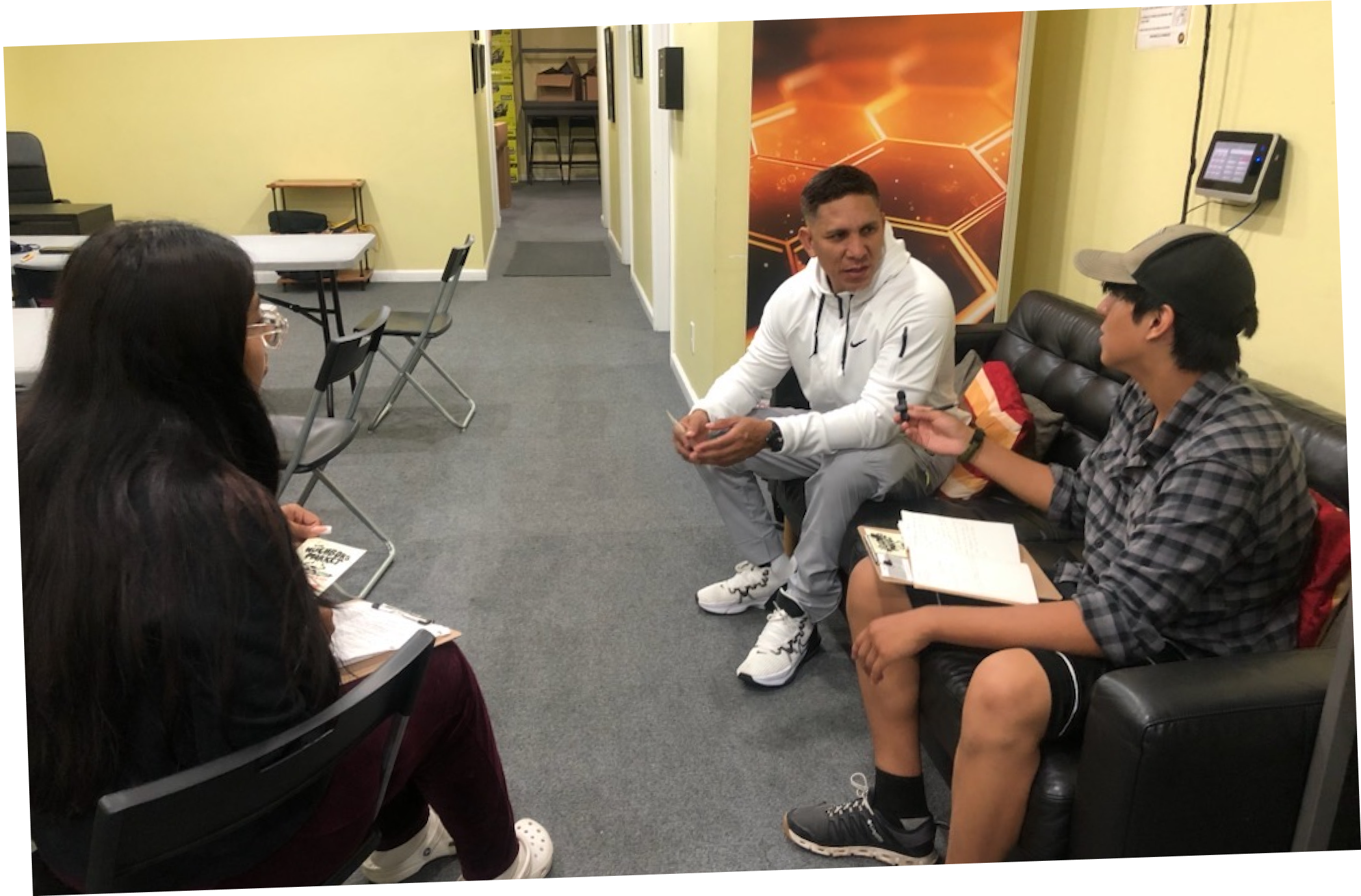
Hill Street Garden Partnership
Hill Street Garden is a GreenThumb-operated garden owned by the NYPD, and while it is a vital space in Stapleton, it is currently underutilized. The garden lacks a sustainable water system, long-term stewardship, and strong community involvement.
We aim to bring Stapleton residents together to learn the skills needed to restore the garden and be part of building a collective effort to ensure gardens in Stapleton serve our community for years to come. Our goal is to protect Stapleton from developers, return land access to the community, and shift power dynamics to empower residents to build intergenerational, democratic systems of land governance.
Together, we’ll work toward restoring this vital space for food sovereignty and community resilience. We need your help to make this a reality!
Project Timeline
-
Share plan with key stakeholders
We are relying on our existing relationships with Stapleton-based organizations to inform the plan -the collective goals, meeting time, and outcomes. We are also determining community interest in this group and gathering ideas that will help to craft an irresistible vision.
Objective: Share HSG plan with groups to receive feedback and content for the irresistible vision and understand the strengths, weaknesses, and opportunities in the existing plan and timeline. -
Recruit Stapleton Stakeholders at The Neighbors Market
At The Neighbors Market, we will be focused on recruiting a committed group of Stapleton residents and community partners who are energized by our vision and are ready to co-create its future. We’ll set up an interactive table where attendees can learn more about the garden, review our demands + plan, and dream about what the garden could become.
Objective: Recruit a committed group of people invested in the irresistible vision and making it happen. Recruit at least 12 Stapleton residents for HSGC kickoff meeting (Demographics include youth, seniors, adults, caregivers)
-
Feedback, workshops, and base building
After the Neighbors Market, interested residents, garden members, and community-based organizations gather to share feedback on the plan and learn skills for stewarding the garden. The Forgotten Foods team and HSG will continue outreach efforts to gather more residents to join the garden.
Objective: Community members will be able to improve the plan, spend time at the garden, and participate in workshops. -
Memorandum between Hill Street Garden and Forgotten Foods & Targeted Outreach
A meeting is held with HSG and FF to clarify FF’s role, presence and responsibilities in the garden, followed by the creation of a Memorandum of Understanding. Forgotten Foods will begin targeted outreach to local schools, daycares, and businesses to build relationships that support outreach and garden visibility. These partners will be invited to encourage participation and share information about the garden to their networks.
Objective: Solidify the partnership between FF and HSG and expand outreach by building relationships with local partners. -
Host a kickoff meeting for Stapleton stakeholders
The kickoff meeting will mark the official launch of the Hill Street Garden Collective and serve as an open invitation for Stapleton residents and local organizations to shape the vision together.
Objective: Community members will envision the future of Hill Street Garden and share any ideas or concerns. -
Hold recurring meetings with HSG and increase local leadership in the garden
Following the kickoff, this phase will focus on deepening the internal structure of the garden and laying the groundwork for collective work and shared responsibility. Members will co-create systems, roles, and responsibilities that will guide the garden’s transformation and community engagement efforts. This phase focuses on developing leadership skills in garden members to ensure the garden is not only self-sustaining but also driven by its community members.
Objective: Build leadership capacity of garden members to manage the garden, create a clear internal structure and shared understanding of how HSG will operate, and engage the broader Stapleton community effectively.
Hill Street Garden Community Area
Haz clic aquí para ver la versión en español.
In the summer of 2025, our youth organizers spoke to over 65 community members in Stapleton, Clifton, and Park Hill, and many expressed wanting to join Hill Street Garden to grow their own food, host community events, and meet their neighbors. The Hill Street Garden Community Area was created in response to this need by providing free space to grow, harvest, and learn, as well as a clear way for surrounding community members to become part of the Hill Street Garden Collective.
Community Area Goals
Increase the number of North Shore residents who have access to healthy food
Welcome more Stapleton, Park Hill, and Clifton residents into the garden
Train community members to become garden stewards and leaders
Create a dedicated space in the garden for the surrounding community to gather and host activities, educational workshops, and mini-events
Timeline
The first phase of the project includes rebuilding the Forgotten Foods bed and Hill Street Garden’s education bed. The Forgotten Foods bed will be reserved for community members and will center culturally significant crops selected and cared for by the community. This bed will support cultural food, intergenerational knowledge sharing, and increased access to fresh produce. The education bed will be used for workshops and learning opportunities with nearby schools, daycares, and organizations who wish to engage in hands-on food education, gardening lessons and outdoor learning.
The second phase of the project will expand the Community Area to include an accessibility ramp, additional growing space for community members through a shared crop plan, a strengthened irrigation system, and further infrastructure improvements. All rebuild work prioritizes carbon-friendly practices and uses recycled materials wherever possible to minimize environmental impact.
Why Should You Join the Collective?
Joining the Hill Street Garden Collective gives Stapleton residents access to the Community Area, including participation in shared growing spaces and opportunities to help shape the Forgotten Foods bed. Collective members without individual beds will receive garden membership privileges and pay $5 each garden season. If cost is a barrier, there are multiple non-monetary ways to cover this membership fee.
This project is made possible through partnership with The Sylvia Center and YouthWINS, whose collaboration and support helped shape the vision and rebuild of the Community Area. Funding comes from the City Parks Foundation and the Citizens Committee for New York City, whose contributions are supporting the rebuild and expansion of the HSGC.
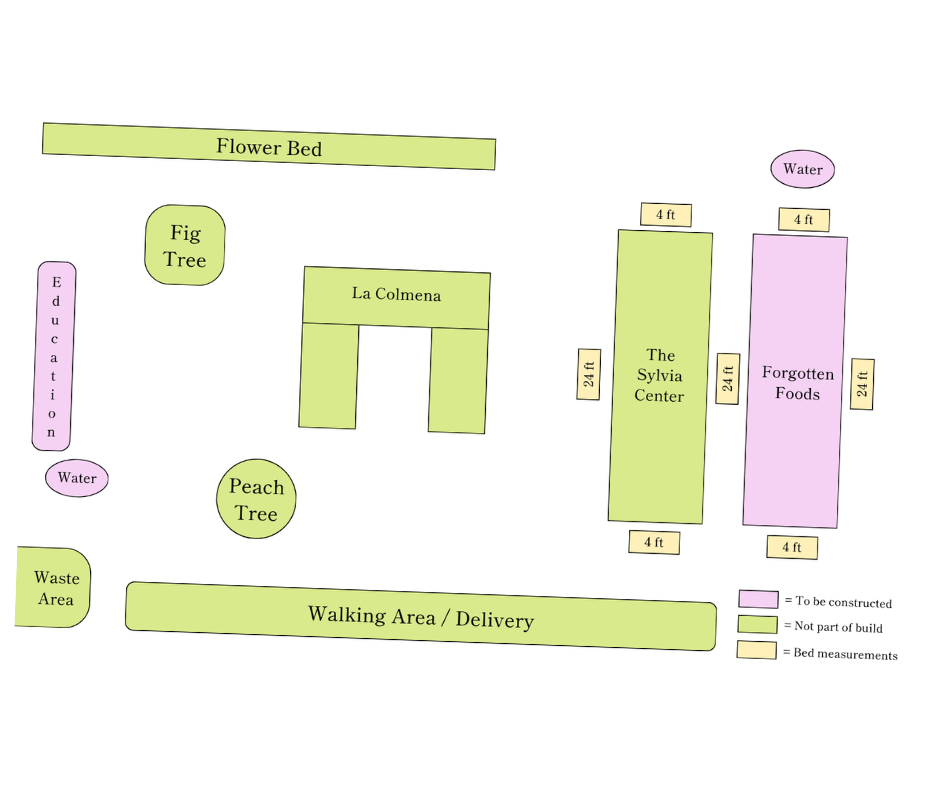
Blueprint of the proposed Community Area at Hill Street Garden
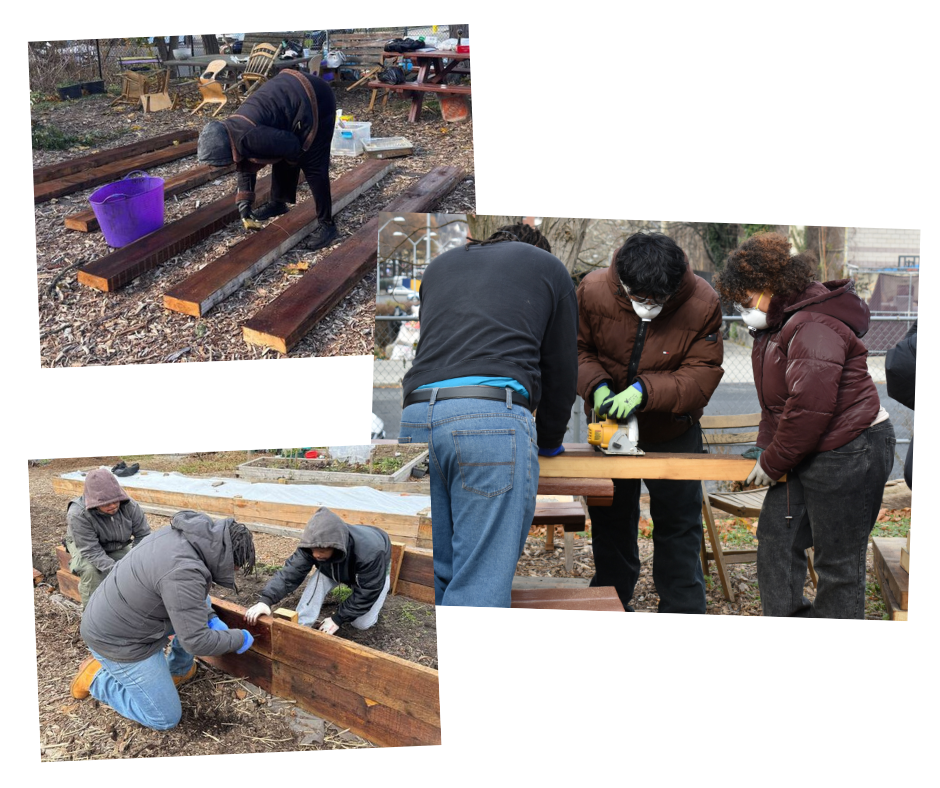
Photos from rebuilding the Forgotten Foods bed
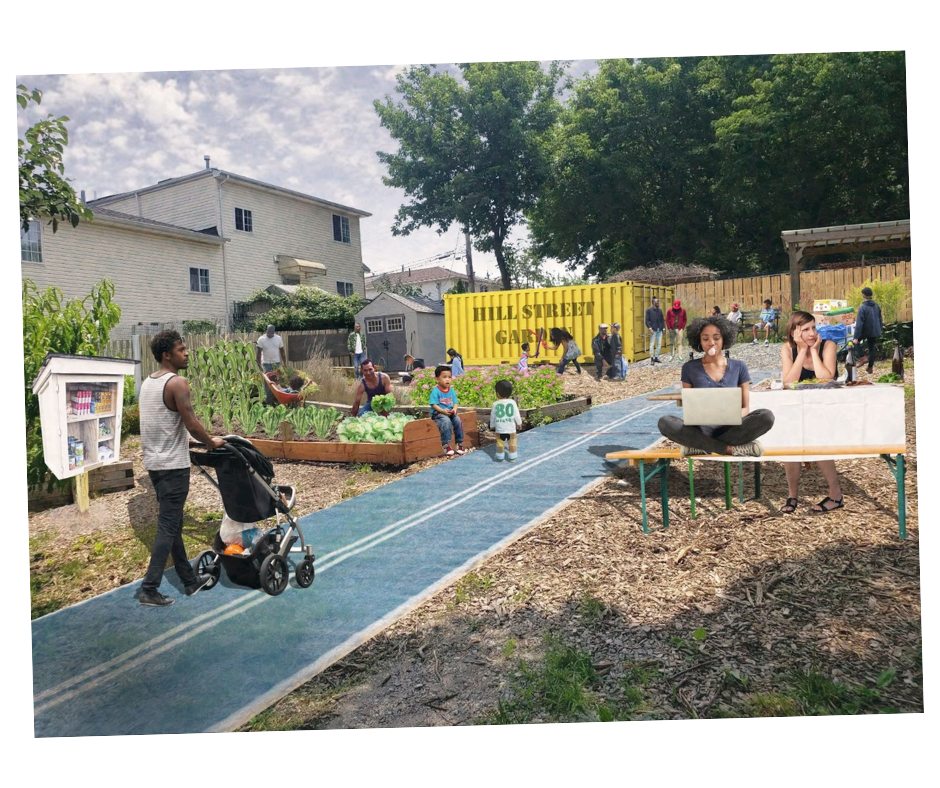
Rendering of Hill Street Garden Community Area with features such as an ADA accessible ramp, open pantry for community members, and space for seating

Focus Areas

Organizing Model
of Change